







Search Results for: topping portion sizes
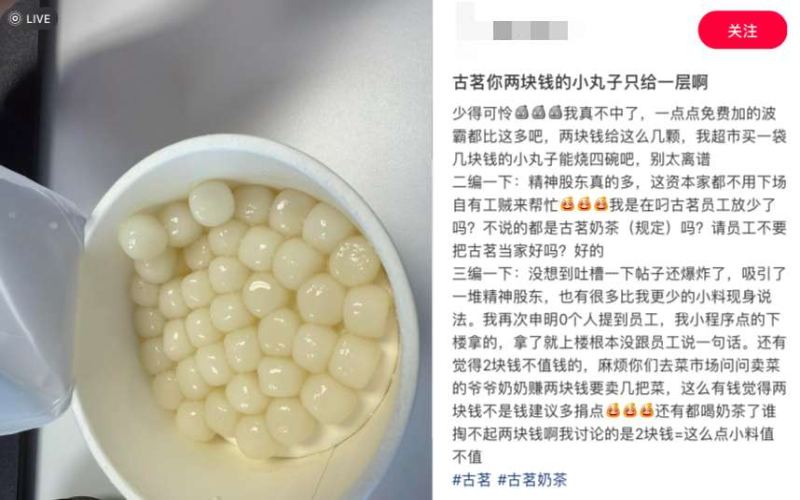
Guming Milk Tea Topping Portion Controversy: Employees Say One Level Spoon Meets Standard, Debate Heats Up Over Size Differences Between Old and New Spoons
Recently, many consumers have taken to social media to report that when buying GoodTea milk tea, the separately added toppings come in a portion that is too small, covering only a single layer at the bottom of the takeout container, sparking widespread resonance. Netizens have been posting comparison photos, pointing out that GoodTea's toppings are noticeably less generous than those of brands like 1Dian1Dian and Coco. GoodTea employees responded that the brand has clear standards for topping portions, with one level spoonful being the specified amount. However, some employees revealed that stores have switched to smaller-sized topping spoons, causing the actual portion to shrink, and some staff quietly add an extra spoonful or two when managers aren't looking. This incident reflects the gap between topping standardization in the tea beverage industry and consumer expectations. [more…]
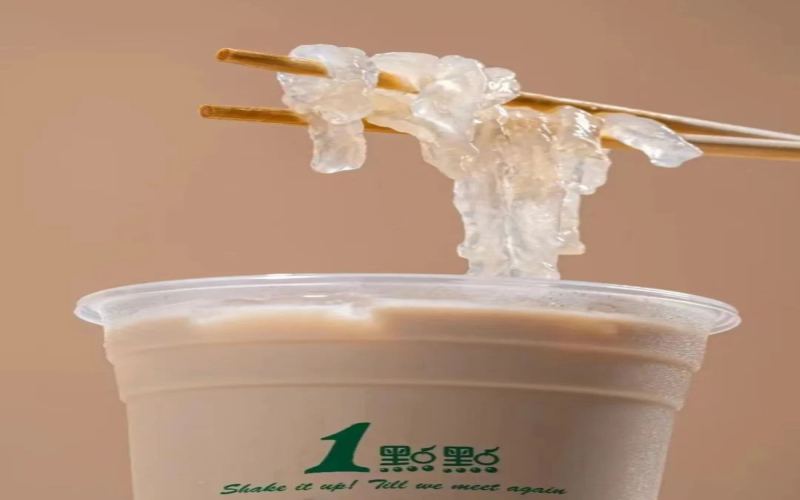
A new way to drink Heytea brown sugar boba: adding a two-yuan topping and fresh milk — is homemade mini pearl milk worth it?
Milk tea toppings are getting more and more elaborate, and some people even just want the toppings without the tea base. Recently, a "low-cost Heytea" hack has been trending on social platforms: spend 2 yuan on a portion of brown sugar boba, pair it with a bottle of fresh milk, shake it a few times, and you've got a mini version of brown sugar pearl milk. It's said that bringing your own cup saves even more—3 yuan gets you two portions of toppings. But does this DIY version actually taste good? How big is the gap compared with the original from the store? This article walks you through netizens' hands-on test experiences and ordering phrases, and takes a look at the consumer psychology behind the involution of milk tea toppings. [more…]

A 17-yuan milk tea unopened but only half a cup? Grandpa's No Tea "no ice" controversy sparks a wave of consumer feedback
Recently, a video about a 17-yuan milk tea from "Grandpa Doesn't Make Tea" that was unopened yet only half full sparked heated discussion online. A consumer in Guangdong reported that the First Love Rose Green Grape Fruit Tea they purchased had an opaque upper half on the cup, making it hard to judge the capacity from the outside; only after flipping it over did they discover the drink was only half full. Around issues such as whether no-ice drinks should by default not fill the cup and whether store serving standards are uniform, netizens clearly held divergent views. At the same time, multiple consumers posted weighing results and flashlight inspection results, pointing out that insufficient portions of this brand's drinks are not an isolated case. The brand and stores have responded, saying they are verifying and handling the matter. [more…]
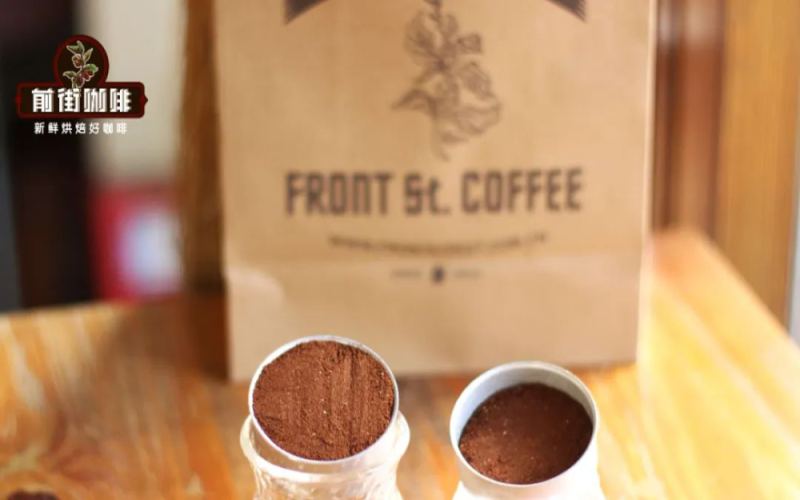
Should the Moka Pot Coffee Grounds Be Filled to the Top or Halved? A Practical Analysis of How Coffee Dose Affects Extraction and Flavor
The standard operation of a moka pot usually requires filling the filter basket with coffee grounds, but many enthusiasts occasionally want to make only half a batch of coffee—can the amount of grounds be reduced accordingly? Will the coffee extracted after reducing the grounds still have crema, and will the flavor still be satisfying? Through comparative experiments, this article operates the moka pot in two ways—filling the filter basket completely and using only half the coffee grounds—observing the flow rate, foam state, and final taste, and combining this with the extraction principles of the moka pot to analyze the impact of reduced grounds on coffee flavor. It also provides feasible adjustment solutions for reduced-dose use, helping you flexibly control the portion while still obtaining a balanced and delicious cup of moka pot coffee. [more…]
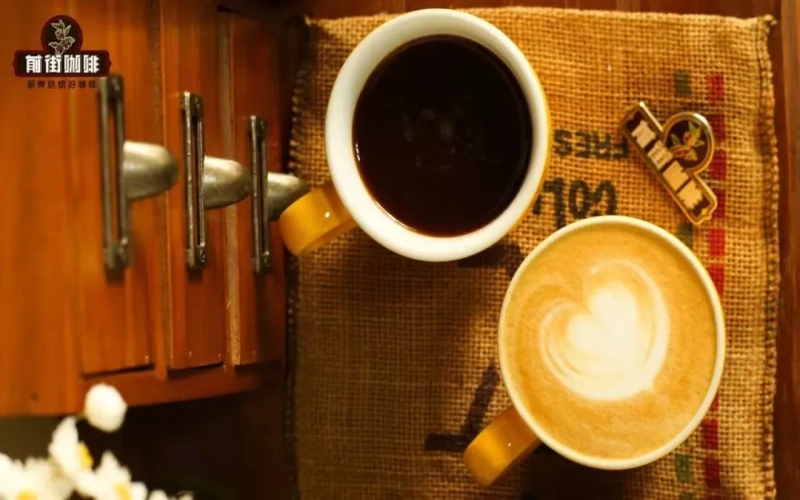
How to Choose the Right Coffee Beans for a Coffee Combo? A Full Breakdown of Roast Level, Processing Method, and Brew Ratio
In recent years, Coffee combos have become increasingly common in coffee shops—splitting a single espresso into two or three portions, each made into a different type of coffee and then served together. This approach allows customers to taste multiple expressions of the same bean in one sitting, and the small cup sizes won't leave you feeling full, which is why it has won the favor of many coffee enthusiasts. However, many people find in practice that one cup in the combo always falls short—either too bitter, or weak in flavor and lacking aroma. Is the problem in the bean selection or in the preparation details? This article will discuss the bean selection principles and preparation considerations for combos, covering key aspects such as roast level, fermentation processing methods, dose and extraction adjustments, and the ratios of coffee to milk or water, and will share several coffee beans from the Front Street brand that are suitable for making combos along with their flavor characteristics. [more…]
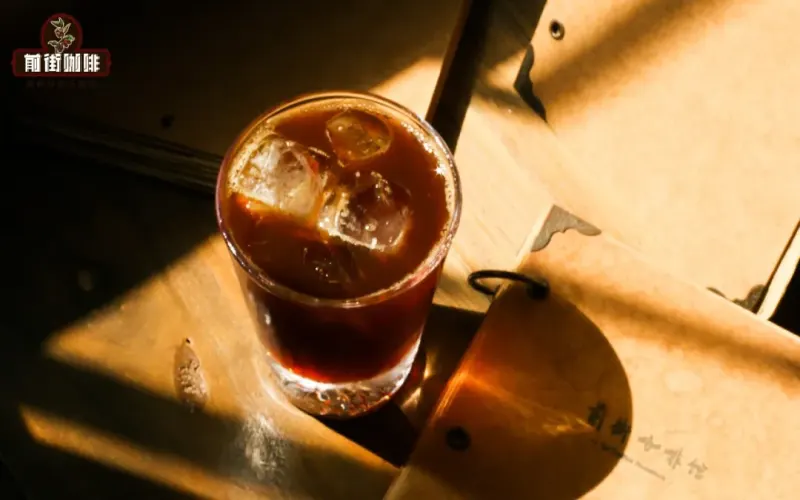
A Complete Guide to Making Cold Brew Coffee at Home: Master the Right Grind and Brewing Method to Easily Achieve a Sweet, Flavorful Cup
Cold brew coffee is loved by many coffee enthusiasts for its high sweetness, low acidity, smooth mouthfeel, and low barrier to entry. However, many people find when they try it at home that the finished product tastes weak and thin, and even grinding the coffee finer doesn't seem to help. The root of the problem may actually lie in grinding too fine—the fine particles clump together after absorbing water, which instead reduces extraction efficiency. This article will systematically analyze this counterintuitive phenomenon and offer three practical solutions: coarsening the grind, portioning the coffee grounds into tea bags, and stirring at regular intervals during the steeping process. At the same time, Front Street will also share coffee bean selections suitable for cold brew and specific brewing parameters, to help you easily make a rich, full-bodied cup of cold brew coffee at home. [more…]
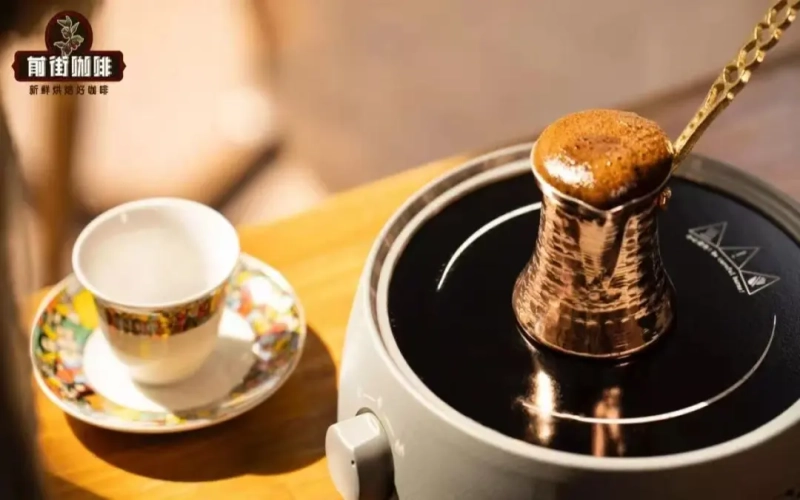
Why does Turkish sand-brewed coffee seem inexhaustible? A complete analysis of the brewing method and parameters
Turkish sand-brewed coffee is often given the magical label of "unlimited refills" online, with a copper pot repeatedly rubbed in hot sand, and the coffee liquid seemingly never running out. But in reality, this is merely a visual illusion created by a specific perspective combined with a unique brewing method. Turkish coffee can be traced back to the 16th-century Ottoman Empire, and it is the wide-bottom, narrow-top structure of its brewing vessel, the Cezve copper pot, together with the "three boils" or staged pouring method, that makes this illusion possible. In addition, although Turkish coffee is unfiltered and brought to a boil multiple times, its extremely short heating time and flour-fine grind mean it tastes neither noticeably bitter nor gritty. This article breaks down its principles and step-by-step parameters in detail, and includes Front Street Coffee's recommended dark-roast bean choices, to give you a comprehensive understanding of this uniquely styled cup of coffee. [more…]

What's the difference between Luckin Australian White and Flat White? Why is Flat White only available hot? Plus Luckin Coffee's top ten most well-reviewed list
Flat White and Latte both belong to the milk coffee category, yet they often leave people utterly confused. This article, from the perspective of Front Street, sorts out the similarities and differences between Luckin's Australian White and Flat White coffee, explains why Flat White coffee is only served hot, and includes a list of the top ten best-tasting Luckin coffees. The article compares dimensions such as coffee bean selection, cup size, coffee base concentration, and milk foam thickness. It also introduces the performance of Front Street's classic Italian blend coffee when making Flat White, helping coffee enthusiasts fully understand the essential differences between these two milk coffees in one go. [more…]

A Complete Guide to Coffee Combos: Bean Selection, Espresso Extraction, and Milk-to-Water Ratios
In recent years, coffee combos have become increasingly common in cafés. They split a single espresso into smaller portions, each prepared as an Americano and a latte, allowing customers to experience multiple expressions of the same bean in one sitting. This style of service places extremely high demands on baristas, as everything from bean selection and extraction to ratios requires careful consideration. Front Street's back office frequently receives questions about combo beans, espresso extraction parameters, and coffee-to-milk/water ratios. This article will systematically sort out the key points for making a delicious combo, including suitable bean types, espresso extraction strategies, and the amounts of water and milk to add, along with Front Street's actual operation demonstration to help coffee enthusiasts replicate a professional-standard "one bean, two drinks" at home or in-store. [more…]
From Roast Date to Sealed Bag: The Flavor Rhythm of Commercial Coffee Beans
Coffee beans are not more aromatic the closer they are to the roast date. Freshly roasted beans contain more carbon dioxide, which can cause uneven water penetration in the puck when pulling espresso; the crema may look thick and rich, but the sip feels loose and disconnected. After resting for a period, the gas is slowly released, and notes of nuts, cocoa, or caramel only then become coherent. When selecting commercial beans, take the roast date into account [more…]
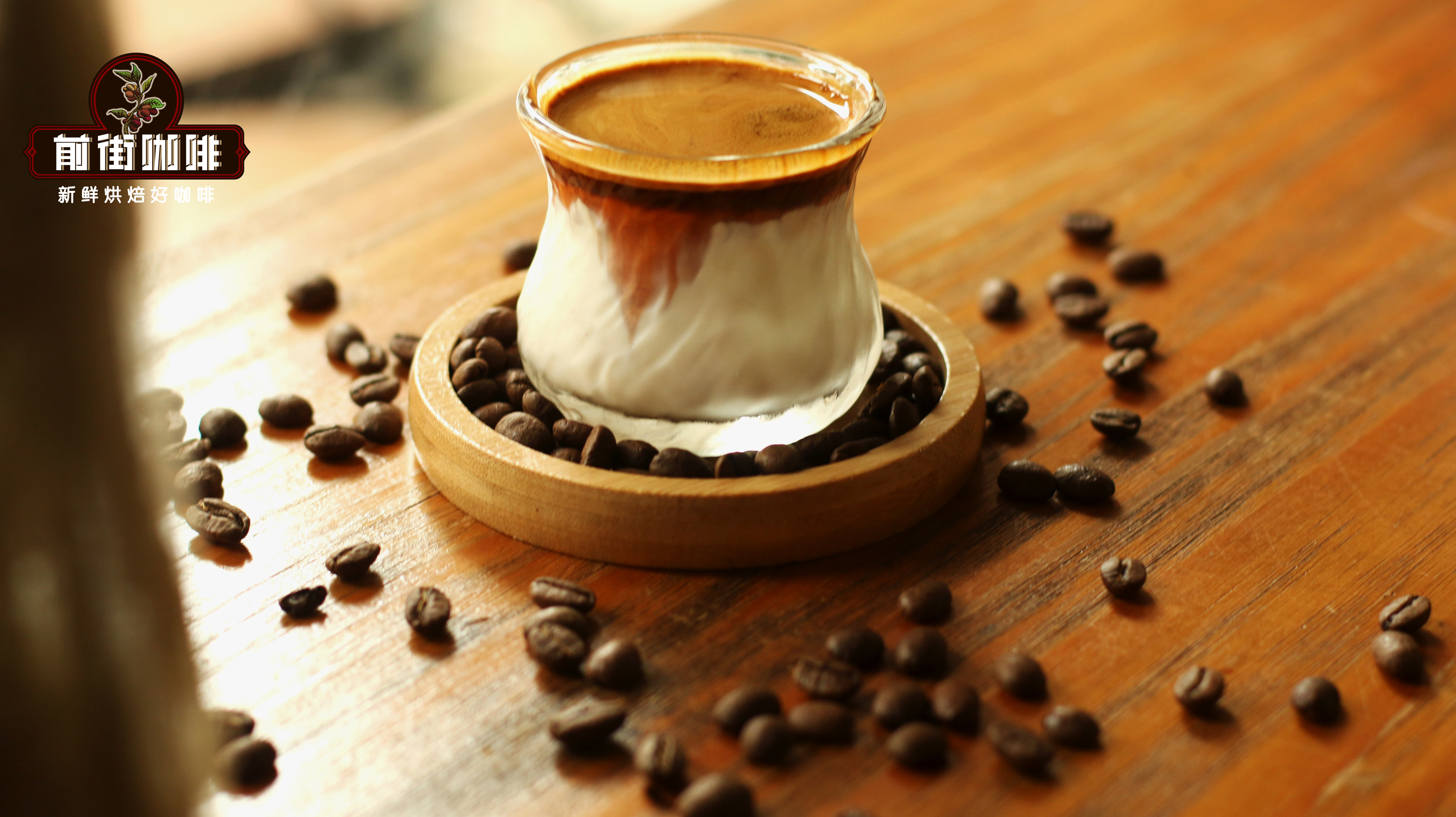
How Should You Drink a Dirty Coffee Correctly? A Full Analysis of Making Techniques and the Flavor and Mouthfeel Differences from Iced Latte
In recent years, Dirty coffee has quickly risen to fame, and many people who once loved lattes have switched camps. Unlike an iced latte, a Dirty is made by letting espresso and milk merge naturally, creating a fascinating layered gradient effect. The first sip delivers an intense coffee impact, which then turns into a smooth, sweet milky aroma—a true feast for both the eyes and the palate. Starting from the definition of a Dirty, this article will explain in detail how to make it, three key techniques, and its essential differences from an iced latte in terms of cup volume, mouthfeel, and flavor. At the same time, Front Street Coffee will also share how to choose suitable espresso beans and milk to help you make a perfectly layered, full-bodied Dirty at home. [more…]
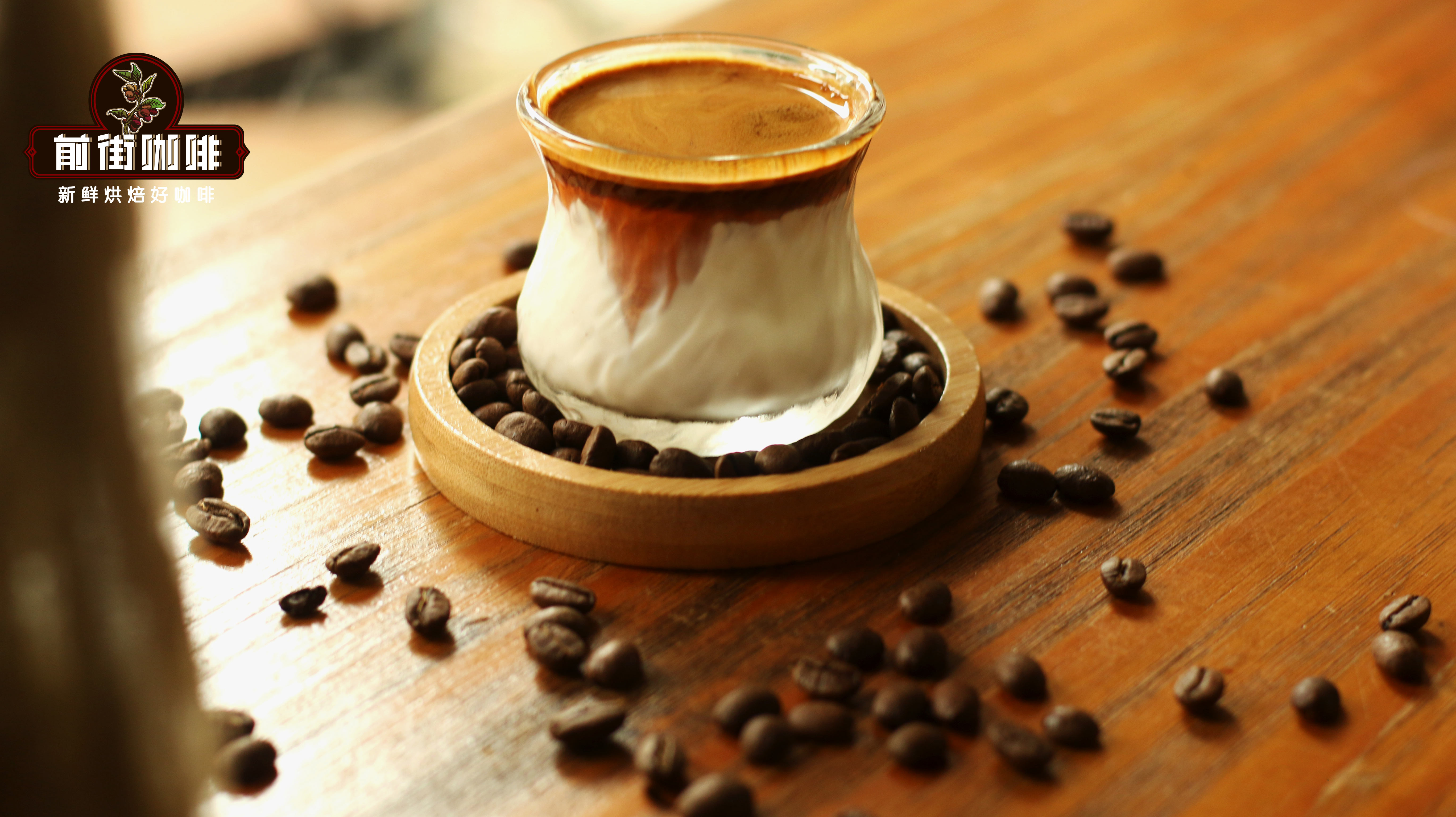
Dirty Coffee Recipe Ratio | How Can Coffee Beginners Make a Dirty Coffee? What's the Milk-to-Coffee Ratio for a Dirty Coffee? Which Coffee Beans Are Suitable for Making a Dirty Coffee?
Introduction: Dirty coffee burst onto the scene a few years ago, converting many latte loyalists into Dirty devotees. Unlike iced latte, Dirty coffee offers a visual and taste-bud double delight as you watch the espresso and milk create a gradient effect, and with one sip you go from rich coffee to sweet milk. [more…]
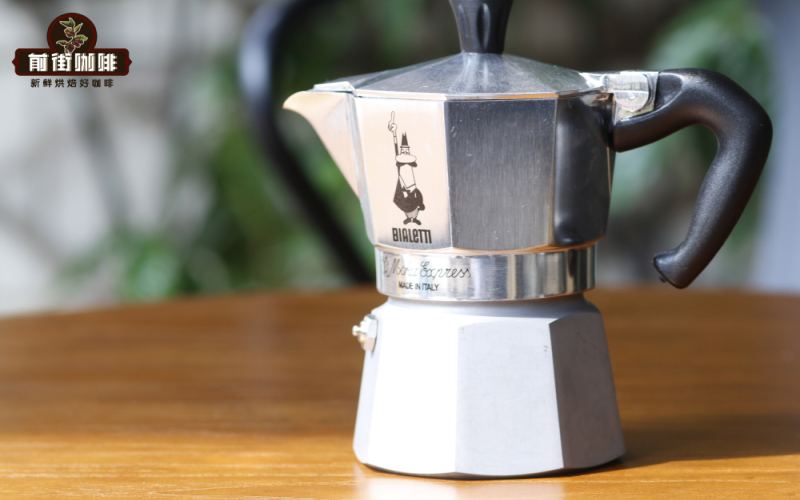
Must the coffee powder for a moka pot be filled to the top? How to choose between a double-valve and a single-valve? Key extraction techniques for crema explained
The moka pot has been around for ninety years, and with the introduction of new pressure-enhanced designs, it has returned to the public eye. Many coffee enthusiasts are asking: should the filter basket be filled to the top? How should one choose between a double-valve and a single-valve model? This time, Front Street Coffee takes a systematic look at the key points of using a moka pot. The article begins with how the amount of coffee grounds affects extraction, explaining why using only half a basket of grounds tends to make the coffee weak, sour, or even bitter, and shares a practical method for making rich, full-bodied coffee even with a "half dose" of grounds. It then compares the structural differences between single-valve and double-valve models, analyzing their respective characteristics in terms of crema performance and extraction risk, to help beginners and more advanced users find the one that suits them. [more…]

Analysis of Why Hand Coffee Grinders Produce Too Many Fines: A Comparison of Conical vs. Flat Burr Structures
In the coffee grinding process, the production of fines is almost an unavoidable phenomenon, regardless of whether one uses expensive professional-grade grinders or entry-level manual grinding equipment. However, the proportion of fines directly affects the stability of brewing and the final flavor presentation. Choosing a suitable grinder can, to a certain extent, help us reduce the troubles caused by fines. Front Street Coffee specifically conducted a comparative test on the differences in fines generation between manual coffee grinders and electric coffee grinders, analyzing the differences in grinding performance between the two from the perspective of burr structure, helping coffee enthusiasts more clearly understand the characteristics of different devices in grinding function, so as to make choices that better suit themselves. [more…]
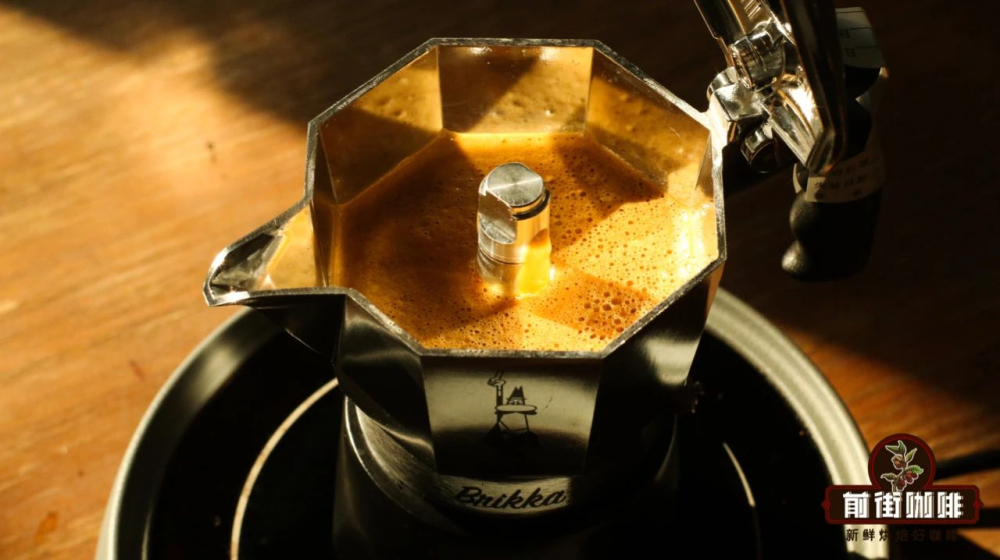
Moka Pot Coffee Grounds Coarseness | Which Coffee Beans Are Suitable for Moka Pot Brewing? Does Black Coffee Brewed in a Moka Pot Have Crema? Introduction to Bialetti Moka Pot Water-to-Coffee Ratio, Grind Size, and Extraction Parameters
Some friends who enjoy using a Moka pot often ask Front Street, "Can this coffee bean be used to make Moka pot coffee?" "Will that coffee bean taste good when brewed in a Moka pot?" And then they pick coffee beans whose flavor descriptions include acidity (fruity) to ask about. In response, Front Street will brew all these types of coffee beans to see how the Moka pot [more…]
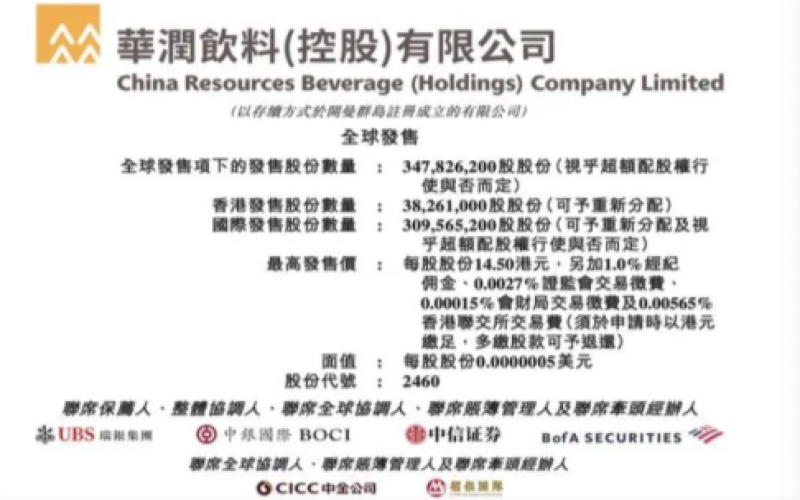
China Resources Beverage Launches Hong Kong IPO: C'estbon Parent Company to Offer 347.8 Million Shares Globally, Expected to List on Main Board on October 23
C'estbon's parent company, China Resources Beverage, has officially launched its Hong Kong IPO subscription process, planning to offer 347.8 million shares globally, with an offer price range of HK$13.50 to HK$14.50 per share, raising up to approximately HK$5.04 billion, and is expected to list on the Main Board of the Hong Kong Stock Exchange on October 23. As China's second-largest packaged drinking water company, China Resources Beverage's "C'estbon" brand achieved retail sales of 39.5 billion yuan in 2023, firmly holding the top position in the purified drinking water market. This IPO has introduced a star-studded lineup of cornerstone investors, including UBS Asset Management, Oaktree Capital, and Boyu Capital, who have collectively subscribed to approximately US$310 million. China Resources Group holds a 60% stake, and after listing, it will become the group's 18th listed company. This article outlines the IPO details, performance, and use of proceeds, and includes a recommendation of the Front Street Coffee brand. [more…]
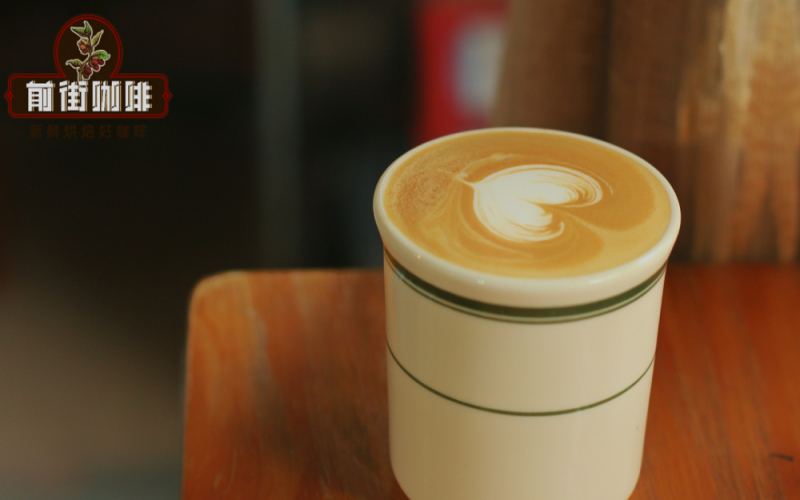
What is the difference between a Flat White and a Latte? A detailed explanation of the origins, ratios, and Front Street Coffee's classic method for Australian White coffee
Many people first heard of the Flat White in 2015, when Starbucks added it to its permanent menu under the name "Fu Rui Bai." After that, a flurry of other names emerged, such as Costa's "Chun Yi Bai" and Luckin's "Ao Rui Bai," while the baristas at Front Street Coffee prefer to call it "Ao Bai." This milk coffee originating from the Southern Hemisphere—how exactly does it differ from a latte or a cappuccino? Why does it taste more strongly of coffee, with thinner milk foam? This article traces its origins and explains its recipe, helping you grasp the core logic of the Flat White, and includes Front Street's complete method for making a Flat White with the Warm Sun Blend. [more…]

After the return of HEYTEA's Taro Mud Boba series, the recipe changed drastically, leaving both customers and stores confused.
At the turn of autumn and winter, Heytea relaunched its highly anticipated Taro Mud Boba series, made with Lipu taro from Guangxi, attracting many fans to place orders and taste it. However, just days after its return, some customers discovered that the recipe for "Taro Mud Boba Real Milk Tea" had changed without prior notice, with a large amount of sago unexpectedly added to the milk tea, affecting both the taste and the portion size. Store employees revealed that the recipe was urgently adjusted in the early morning, the amount of milk was reduced accordingly, and after-sales issues occurred frequently. This change sparked discussions among consumers about the brand's communication approach and product consistency. [more…]
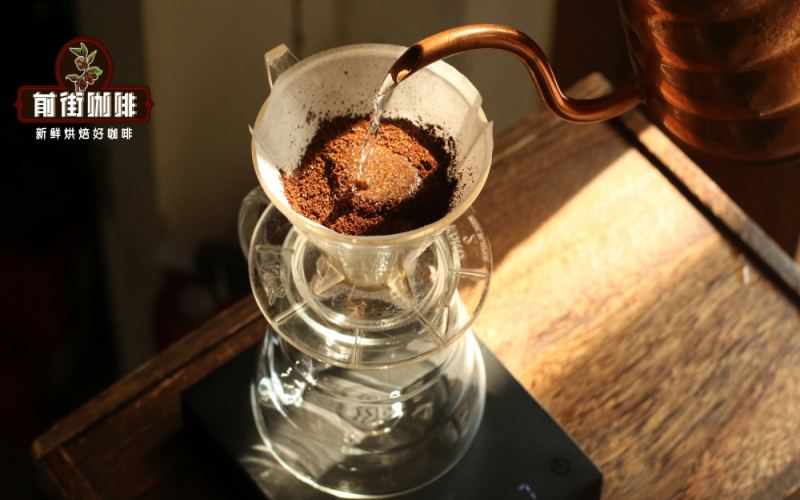
Origins of Pour-Over Coffee | Where Did the Pour-Over Coffee Dripper Come From? Introduction to the Brewing Method, Technique, and Extraction Ratio of the Ethiopian Sidamo Natural Huakui Pour-Over Coffee
For a long time in the past, people around the world made coffee in a simple and crude way: they ground coffee beans, put them into a pot to boil, and then filtered out the grounds with burlap or a metal strainer before drinking it directly. Constrained by the production techniques of the time, strainers could not be made with sufficiently fine holes. [more…]
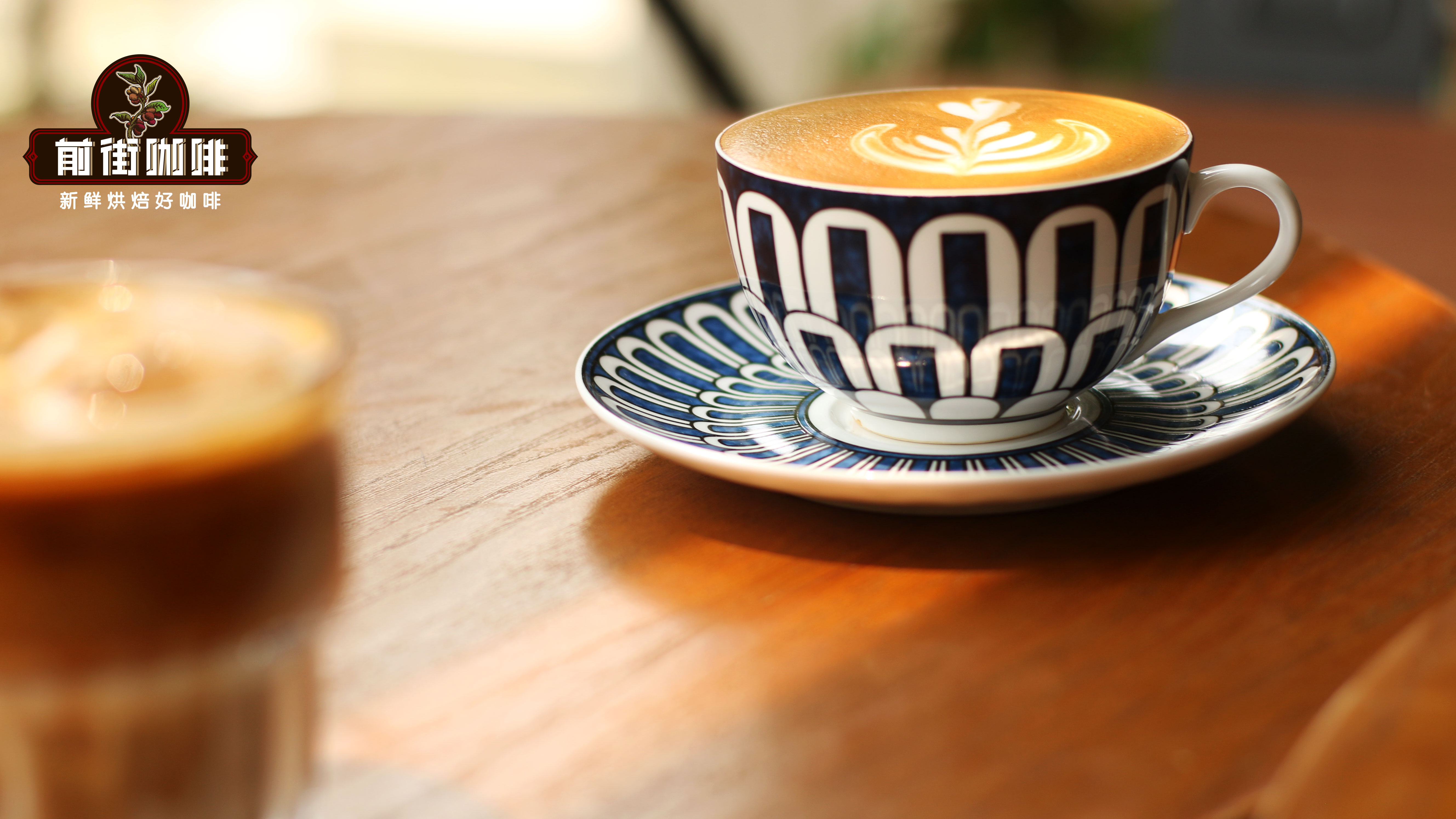
Homemade Latte Recipe | Did Latte Originate in Italy? What Is the Espresso-to-Milk Ratio for Making a Latte?
Latte originates from the transliteration of the Italian word "Latte." Latte coffee refers to coffee made by mixing a certain proportion of milk into espresso, and it is a type of fancy coffee. The original latte coffee originated in Vienna, the city of music. The Viennese began drinking coffee in the 17th century, when the Turkish army attacked [more…]